Tour overview
DURATION :- 07 NIGHT 08 DAYS .
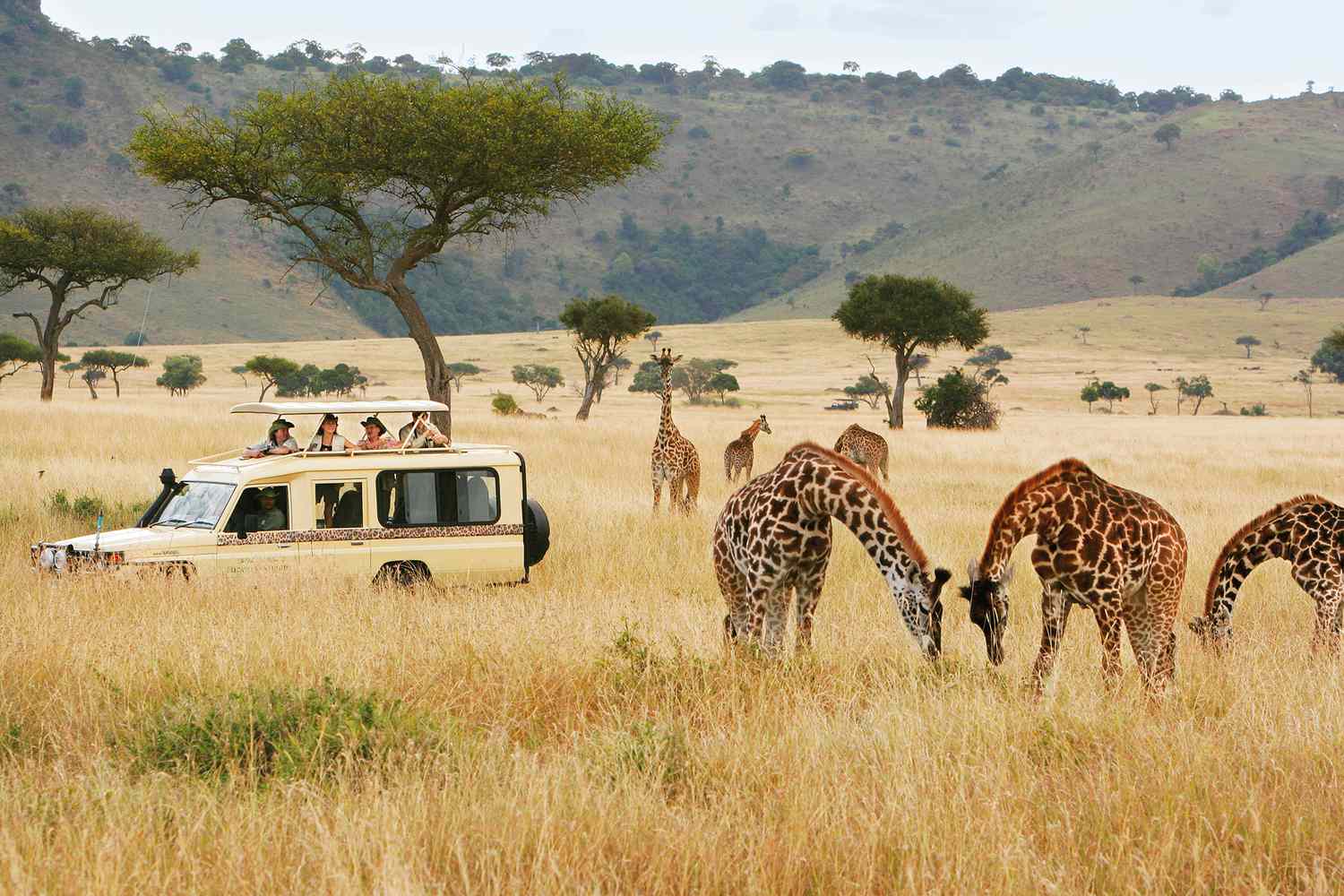
COVERAGE AREA :- 8 Days KENYA SAFARI COVERING MASAI MARA , LAKE NAKURU , LAKE NAIVASHA & AMBOSELI PREMIUM .
If customer wants company will provide visa , flight ticket, travel insurance
( PREMIUM CATEGORY ITINEARY )
Day 1:- Nairobi to Amboseli. Afternoon game drives in Amboseli. Stay at OL TUKAI Lodge, Amboseli (Inside the Park) (Lunch and Dinner included).
Day 2:- Full day game drives in Amboseli. Stay at OL TUKAI Lodge, Amboseli (inside the Park) (Breakfast, Lunch and Dinner
included).
Day 3:- Amboseli to Lake Naivasha for Boat Ride to and Walking Tour on Crescent Island. Stay at Lake Naivasha Simba
Lodge, Lake Naivasha (Breakfast, Lunch and Dinner included).
Day 4:- Lake Naivasha to Lake Nakuru for half day game drives in Lake Nakuru. Stay at Lake Nakuru SOPA Lodge, Lake
Nakuru (Within the Park) (Breakfast, Lunch and Dinner included).
Day 5:- Lake Nakuru to MASAI MARA for afternoon game drives in MASAI MARA . Stay at Muthu KEEKOROK Lodge – Standard
Room, MASAI MARA (inside the Park) (Breakfast, Lunch and Dinner included).
Day 6:- Full day game drives in MASAI MARA . Stay at Muthu KEEKORK Lodge – Standard Room MASAI MARA (inside the Park)(Breakfast, Lunch and Dinner included).
Day 7:- Full day game drives in MASAI MARA . Stay at Muthu KEEKOROK Lodge – Standard Room MASAI MARA (inside the Park)(Breakfast, Lunch and Dinner included).
Day 8:- Transfer from MASAI MARA to Nairobi (No game drives) (Breakfast and EN-route Lunch included).
( MEDIUM CATEGORY ITINEARY )
Day 1 :- Nairobi to Amboseli. Afternoon game drives in Amboseli. Stay at AA Lodge Amboseli, (Outside the Park)(Includes Lunch and Dinner).
Day 2 :- Full day game drives in Amboseli. Stay at AA Lodge Amboseli, Amboseli (Outside the Park) (Includes Breakfast, Lunch and Dinner).
Day 3:- Amboseli to Lake Naivasha. Boat Ride to and Walking Tour on Crescent Island. Stay at Midland Hotel Nakuru ,Lake Nakuru (Includes Breakfast, Lunch and Dinner).
Day 4 :- Full day game drives in Lake Nakuru. Stay at Midland Hotel Nakuru, Lake Nakuru (Includes Breakfast, Lunch and Dinner).
Day 5 :- Leaving for MASAI MARA . Afternoon day game drives in MASAI MARA . Stay at JAMBO MARA MASAI MARA ,MASAI MARA (At the border) ) (Includes Breakfast, Lunch & Dinner)
Day 6 :- Full day game drives in MASAI MARA . Stay at JAMBO MARA MASAI MARA ,MASAI Mara (At the border) ) (Includes Breakfast, Lunch & Dinner)
Day 7 :- Full day game drives in MASAI MARA . Stay at JAMBO MARA MASAI MARA ,MASAI MARA (At the border) ) (Includes Breakfast, Lunch & Dinner),Evening MASAI Village Visit from 4pm onwards or we can skip that to Day 8 morning.
Day 8 :- Transfer to Nairobi (Includes BreakFast), No game drive.
( BUDGETED CLASS CATEGORY )
Day 1 :- Nairobi to Amboseli. Afternoon game drives in Amboseli. Stay at MANJARO TENTED CAMP , (Outside the Park)(Includes Lunch and Dinner).
Day 2 :- Full day game drives in Amboseli. Stay at MANJARO Tented Camp, Amboseli (Outside the Park) (Includes Breakfast ,Lunch and Dinner).
Day 3 :- Amboseli to Lake Naivasha. Boat Ride to and Walking Tour on Crescent Island. Stay at BURAHAZENONI , Lake Nakuru (Includes Breakfast, Lunch and Dinner).
Day 4 :- Full day game drives in Lake Nakuru. Stay at BURAHAZENONI , Lake Nakuru (Includes Breakfast, Lunch and Dinner).
Day 5 :- Leaving for MASAI MARA . Afternoon day game drives in MASAI MARA . Stay at MARA ENKAJIANG ,MASAI MARA (100mts to the gate) ) (Includes Breakfast, Lunch & Dinner)
Day 6 :- Full day game drives in MASAI MARA . Stay at Mara ENKAJIANG , MASAI MARA (100mts to the gate) (Includes Breakfast, Lunch & Dinner)
Day 7 :- Full day game drives in MASAI MARA . Stay at MARA ENKAJIANG , MASAI MARA (100mts to the gate) ) (Includes Breakfast, Lunch & Dinner)
Day 8 :- Transfer to Nairobi (Includes BREAK FAST ), No game drive.
INCLUDE :- ALL THE SAFARI COST Arrival & Departure airport transfers complementary to all our clients Transportation as per itinerary. Game Drives in 4*4 Land Cruiser
❖ Accommodation as per the itinerary
❖ Meals as per itinerary B=Breakfast, L=Lunch and D=Dinner
❖ Premium Guides
❖ National park & game reserve entrance fees as per itinerary
❖ Excursions & activities as per itinerary with a request
❖ Boat Ride & Crescent Iceland tour $75 included
❖ Recommended Mineral Water while on safari.
❖ MASAI Village-$20 per person
EXCLUDEXCLUDED :-
❖ Personal Taxes.
❖ International flights
❖ ETA (Visa)-35$ per person
❖ Chartered Flight can be booked on request
❖ Drinks, tips, laundry, telephone calls and other items of a personal nature.❖ Guide/Driver/Hotel Suppliers Tips
❖ Hot Air balloon $450 per person
❖ Sundowner-$60 per person
❖ Bush Breakfast-$60 per person
❖ Yellow Fever Vaccine/Polio Drops.
CATEGORY PRICE LIST GUIDE :-
PREMIUM RANGE CATEGORY :- $3000 PER PERSONE STATING .
MEDIUM RANGE CATEGORY :- $2800 PERPERTION STATING .
BUDGETED RANGE CATEGORY :- $2100 PER PERTION STATING .
*KIDS BELOW 10 YEARS ITS 70%.
TERMS & CONDITION :- 50 % OF THE TOUR FEE AS BOOKING AMOUNT (NON –REFUNDBLE ). 100% of the Tour fee on or after 90 >120 days of the to u .
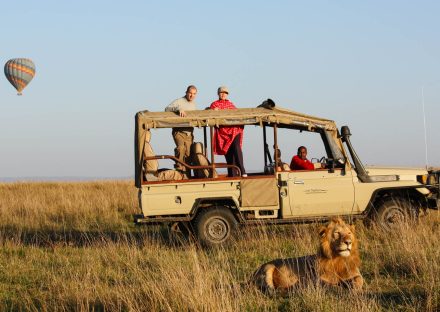
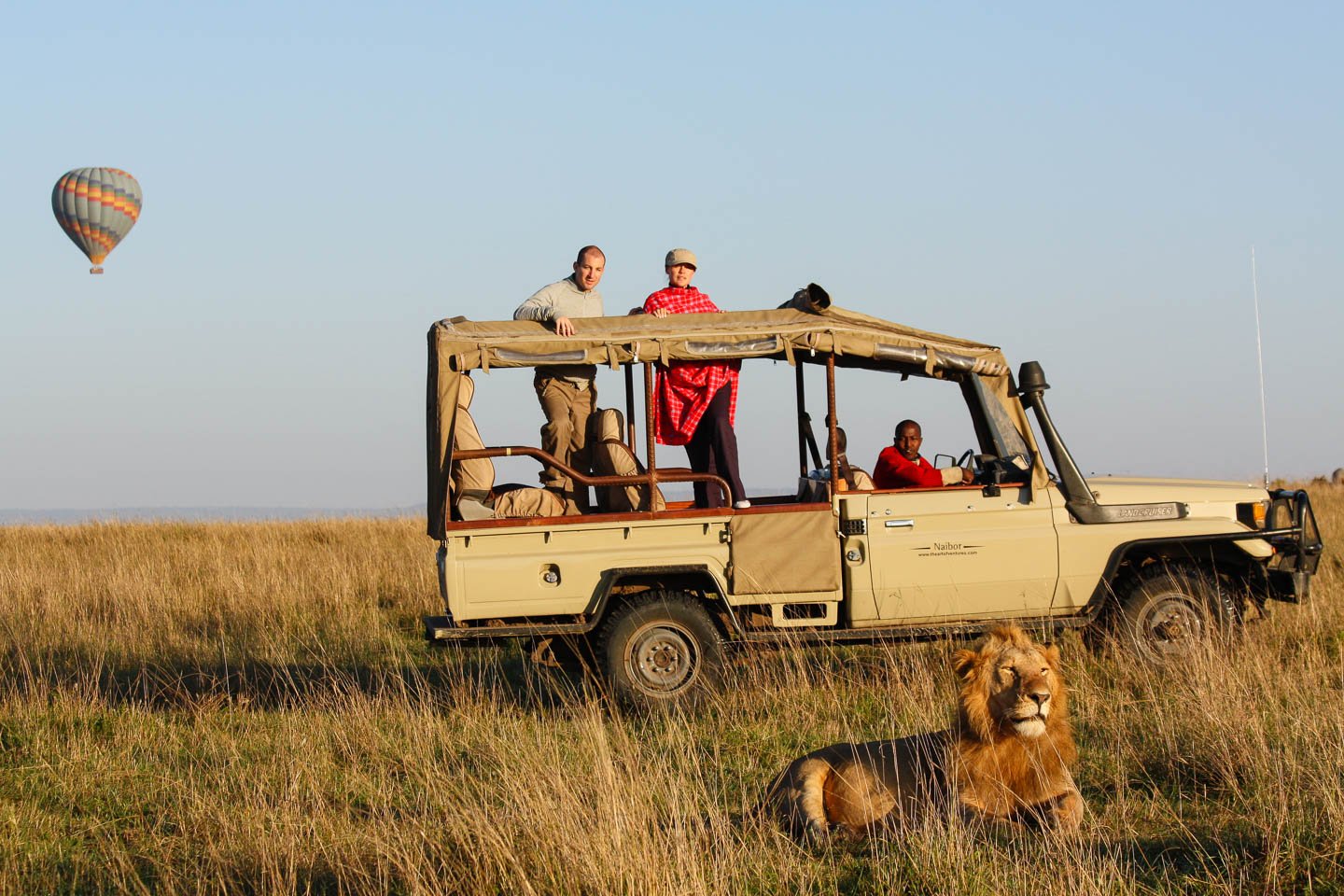
Special Attraction:- Hot Air Balloon/Bush Breakfast/Sundowner Hot Air Balloon . One of the primary attractions of hot air
balloon safaris in Kenya is the opportunity
to spot a diverse array of wildlife from a
unique vantage point. The MASAI MARA
National Reserve is home to an impressive
variety of animals, and a hot air balloon
flight offers passengers the chance to
witness these magnificent creatures in the IRNATURAL habitat.
During a hot air balloon safari in MASAI
Mara, passengers can expect to see a wide
range of wildlife, including the renowned
Big Five – African elephants, lions, leopards,
buffalo, and rhinoceros. These majestic
animals are often easier to spot from the
sky, as their movements are unrestricted by the dense vegetation that can limit visibility at ground level.
In addition to the Big Five, hot air balloon safaris in Kenya provide the opportunity to view a multitude of other animals that inhabit the MASAI Mara National Reserve. These include giraffes, hippos, crocodiles, hyenas, and various species of antelope, as well as a diverse array of birdlife. The unique perspective offered by a hot air
balloon allows passengers to appreciate the sheer scale and beauty of the African landscape, as well as the
intricate interactions between the various species that call it home.
A hot air balloon safari in MASAI MARA is an experience that is not to be missed, providing passengers with
unforgettable memories and a newfound appreciation for the incredible wildlife that inhabits this extraordinary location.
Cost: $450 per person
Duration: 90 to 120 Min
: Bush Breakfast
Setting off before sunrise offers the best chance of exciting wild life encounters. Being able to eat a freshly cooked breakfast whilst
doing it is even better! Sala’s vehicles are specially fitted out with
stoves for the perfect eggs and pancakes cooked to order whilst
you sit back, relax and soak up the scenery.
Cost: $60 per person
Sundowner
Ending your day on Safari with your FAVOURITE drink in hand, the company of friends or loved ones and a
gorgeous sunset unfolding right before your eyes is a
very special experience indeed and recognizing this,
many upper end hotel properties in MASAI MARA NOWOFFER sundowners either pre-included into your stay ORAS optional add-on activities.
Cost: $60 per person
MASAI Village (Bush Village)
A must visit a traditional MASAI tribal village in Kenya while on an African safari, during which you get to see how the MASAI tribe live in their villages. Proud young MASAI warrior nomads with their plaited hair, red cloaks, and
Important Information:
Lake Nakuru National Park –
Lake Nakuru’s main feature is a
large, shallow lake, which was
famous for large flocks of
flamingos. However, since 2012,conditions have become
UNFAVOURABLE for the large
group of flamingos as they have moved to other Rift Valley lakes. The lake still supports great
birdlife, including big flocks of
pelicans. Black and white RHINOSWERE reintroduced in the 1990s
and have been bred to a healthy population.
Lake Naivasha – Lake Naivasha is Kenya’s highest freshwater lake. At Lake Naivasha, you will go on
a boat ride to Crescent Island and take a PLEASANTNATURE walk on the Island. The area is flocked with animals like the giraffe, buffaloes, colobus
monkeys, waterbucks, elands and impalas. Over
200 species of birds are recorded in the region
making it a treat to watch.
MASAI MARA – MASAI MARA is one of the most famous parks in Africa. All the members of the Big Five (Lion,
Leopard, Elephant, Buffalo, and
Rhinos) can be found here.
Hippopotamus and Crocodiles are
found in large numbers near the
Mara and the TALEK Rivers. Wild life viewing is good year-round. The
legendary wildebeest migration is
one of the world’s most amazing
wildlife events where millions of
animals leave the Serengeti and
head into the MASAI MARA and they arrive by July. The crossing of the Mara River along the way is the most
spectacular part of the migration. Around October, the migration slowly heads back into the Serengeti again. The best months to witness the wildebeest migration are from July to September.
Amboseli – Amboseli is often called
“The Land Of Giants” where you get to see elephants in large groups with
huge tusks here. The animals are set
against the breathtaking view of Mt.
Kilimanjaro, which sets an awesome
backdrop to this little park. 4 out of
the Big Five are present, Rhinos are
absent here.
Participants who feel the need to stretch their Tour are welcome to stay back on the following nights, to experience two more full days at the Mara at their own pace. The schedule for the two days will remain the same while we
venture to deeper areas of the Mara on the full-day game drives ,MAXIMISING our chances of bringing back
stunning photographs. This extension will be charged additionally. Please express your interest in the extension
while booking the Tour to know more
Wildlife & Migration
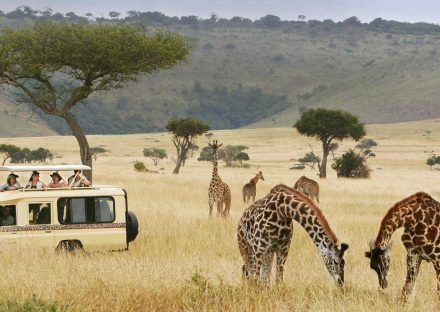
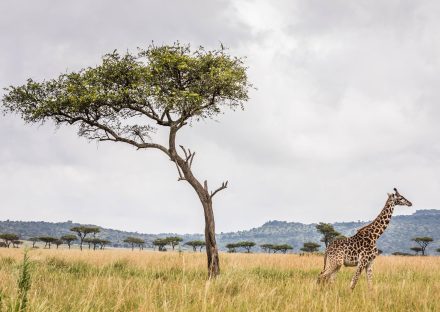
MASAI MARA National Reserve is one of the major parks in Kenya, known for excellent wildlife viewing throughout the year. The park is dominated by an incredible variety of mammals from large herds of herbivores which include the
wildebeest, zebra and Thompson’s gazelle to the famous ‘big five’ (lion, leopard, rhino, elephant & buffalo).It is also
home to Nile crocodile, the continent’s largest reptile. The region also provides habitat for a variety of birds with over450 species having been recorded.
However for those visiting to watch as the great wildebeest migration unfolds, with approximately 1.5million of
wildebeest, hundreds of thousands of zebras, elephant s and gazelles crossing Mara River in the reserve in search of food & water. The best time to visit is between late July/early August to October. Although the timings may vary from
year to year due to rainfall patterns.
JULY – AUGUST
SEPTEMBER – OCTOBER
REST OF THE YEAR
Higher wildlife numbers due to annual Wildebeest
migration typically between early July to late August
Good time to spot game with
large herds of plains game still being in the Mara before they migrate back to Serengeti
There is always A good amount of
wildlife in MASAI MARA through the year
nth by Month Guide for Travelling to MASAI MARA :
Visiting MASAI MARA from January to March
January is one of the warmest months of
the year in the MASAI MARA . It’s not as
rainy as December, with an average of 15days of rainfall throughout the month,
and if it does rain it’s usually just a
short-burst shower in the afternoon. This
is the best time to visit the MASAI MARA if you are a birding enthusiast as the
migratory species from North Africa & Europe can be spotted frequently in the
area. January is also calving (birthing)
season and is a time when new life is
abundant.
In February thousands of baby animals are born a day, and the birthing season carries through until March. This is when to visit the MASAI MARA for a safari to avoid the crowds and to witness Africa’s big cats stalk the plains
game. Plus, it’s a fantastic time for photographers because you’ll often have massive tracts of land and sightings
all to yourself, especially in the Mara’s private conservancies.
March is a rainy month in the MASAI MARA . Most day swill have afternoon thunder showers and these
conditions can cause flooding, and some camps begin to close for the low season.
Travelling to MASAI MARA during April and May
: April is a low season month and has more rainfall than
any other time of the year. It’s slightly cooler than March but it’s still warm. This is the period of the ‘long rains’
and a few MASAI MARA lodges and camps may close over this time to attend to general maintenance and refurbs,
and to give their staff a long and well-deserved break.
There is slightly less rainfall during May but it’s still one
of the wettest times of the year in the MASAI MARA . This
period does mark the start of some slightly cooler
months in Kenya which usually lasts until September. Dirt
roads turn to sticky mud, rivers flood their banks, and
the almost persistent drizzle never really allows for a
sunny gap. However, predicting rain is the most inexact
of sciences and you may find that one year May is washed out, while the next is dry. If you want to visit the Mara
during this time, we recommend a fly-in safari.
Visiting MASAI MARA from June to August
June marks the end of the ‘long rains’ and the start
of the busy season. It’s a much drier month, and the days are far cooler than any other time of the year.
The vegetation is still lush and dense from all the
rainfall and even though the animals can sometimes be hard to spot, it’s still considered one of the best
times to visit the MASAI MARA for a safari. Most of
the Great Migration herds (and their entourage of
tourists) are yet to arrive and preparations are well
underway for their imminent appearance.
In July the wildebeest herds may start to arrive in
the Mara after their journey from the Serengeti. The daytime conditions are very pleasant with warm
weather, but it can get cold in the evenings and on
early morning game drives. It is the driest month of
the year which keeps the wildlife within reach of . BECOME CROWDED IN THE NATIONAL RESERVE . August is another dry month of the year in the MASAI MARA but has the same cooler temperatures as July,
especially at night. August is a popular month to
witness the daily wildlife spectacle of the Great
Migration, as well as the famed Mara River CROSSINGS .BUT . these crossings cannot be predicted – sometimes
the herds stay put for weeks, other times they could
cross four times in a day.
Travelling to MASAI MARA during September and October.
September is slightly warmer in the MASAI MARA than in August with high daytime temperatures and cold nights.
It’s still the dry season, which makes for exceptional game viewing and it’s still a great month to see the MIGRATIONIN full swing. Things begin to heat up in the MASAI Mara during October and it is one of the hottest months of THEYEAR . Most of the wildebeest herds are still in and around the Mara.
Visiting MASAI Mara during November and December
November’s short summer rains trigger the last leg of the Great Migration, when the wildebeest move south to their Serengeti calving grounds. The only downside can be the
rain, but the thundershowers are usually short afternoon
bursts followed by clear skies.
December is less busy at the start of the month than DURING the peak season months, but it can get busy in the NATIONAL RESERVE over the festive season period.